
Anilox Roller Laser Cleaning
Precision, non-contact laser cleaning for anilox rollers - delivered on site to printing and packaging companies across South Africa.
Cleaning Anilox Cells Without Abrasive Contact
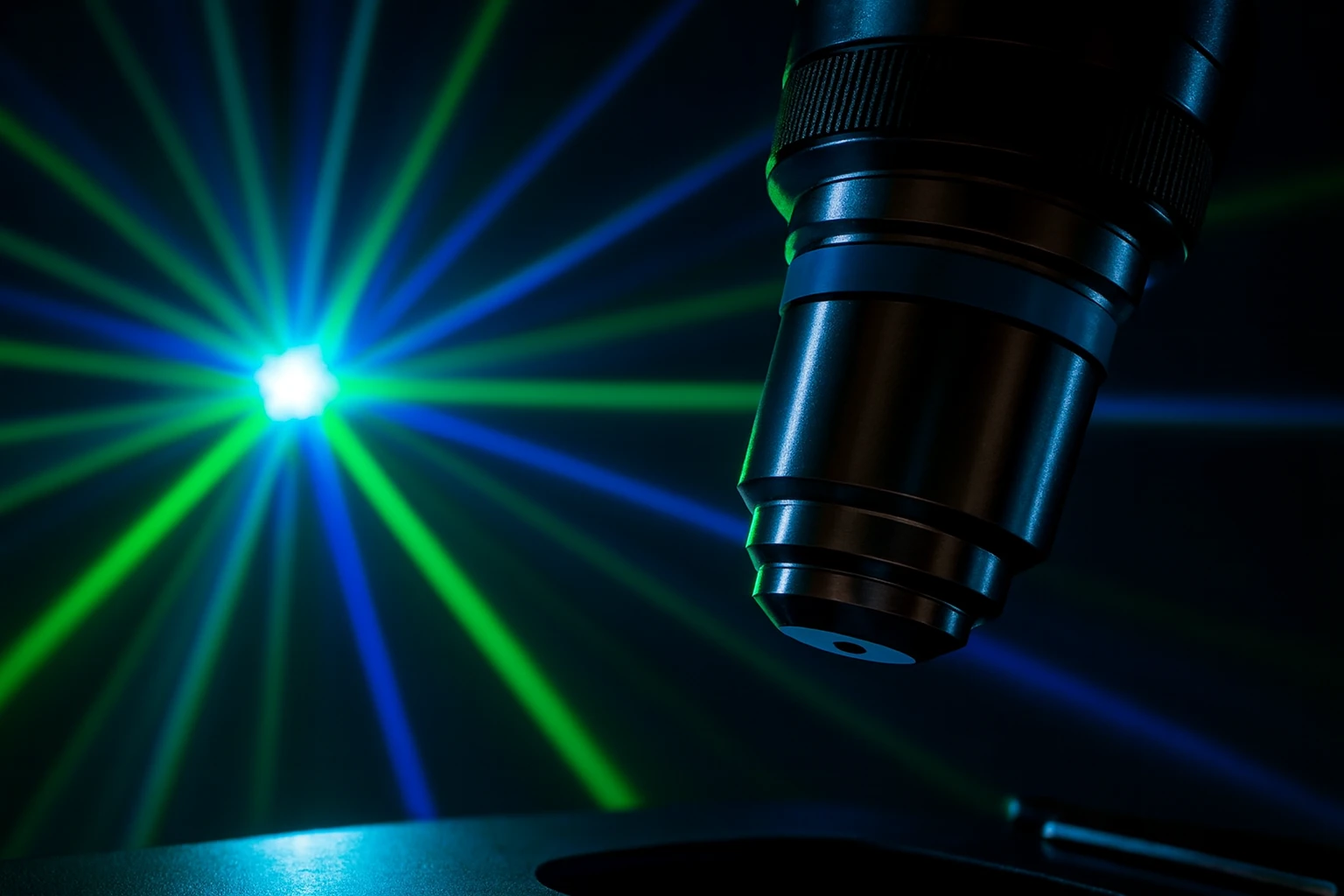
Anilox roller laser cleaning uses controlled laser energy to remove contamination from the cells and surface of anilox rollers. Unlike abrasive brushing or media blasting, the process is non-contact - the laser does not physically scrape or abrade the ceramic surface.
The objective is to remove unwanted deposits, such as dried ink and glaze, while working to maintain the integrity of the anilox cell structure. This matters because anilox rollers are precision-engineered components, and their cell volume and geometry directly influence ink transfer.
The Relationship Between Anilox Condition And Print Performance
Anilox cells transfer a metered volume of ink to the printing plate. When cells become blocked or partially blocked with dried ink or contamination, the volume of ink they can carry changes - which can affect ink transfer consistency, colour density and overall print quality. Regular, appropriate cleaning is one part of maintaining predictable print performance over the life of the roller.
Anilox Cells, Before & After Cleaning
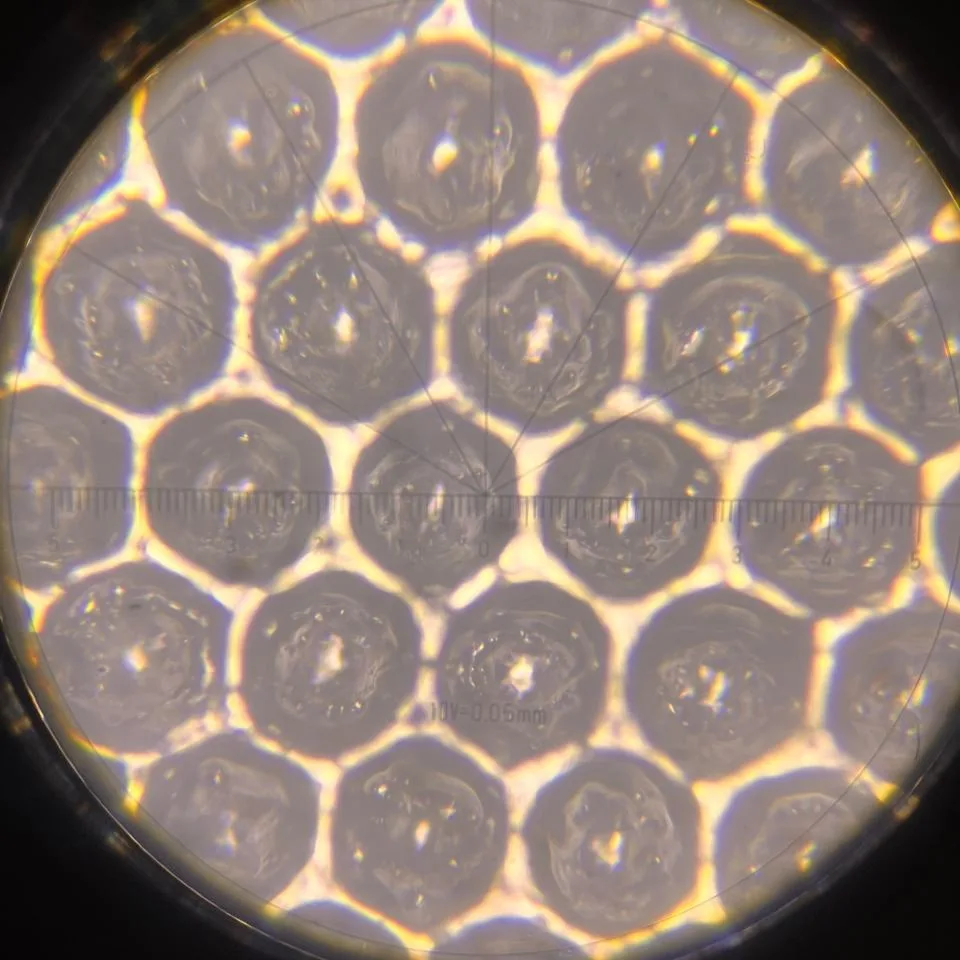
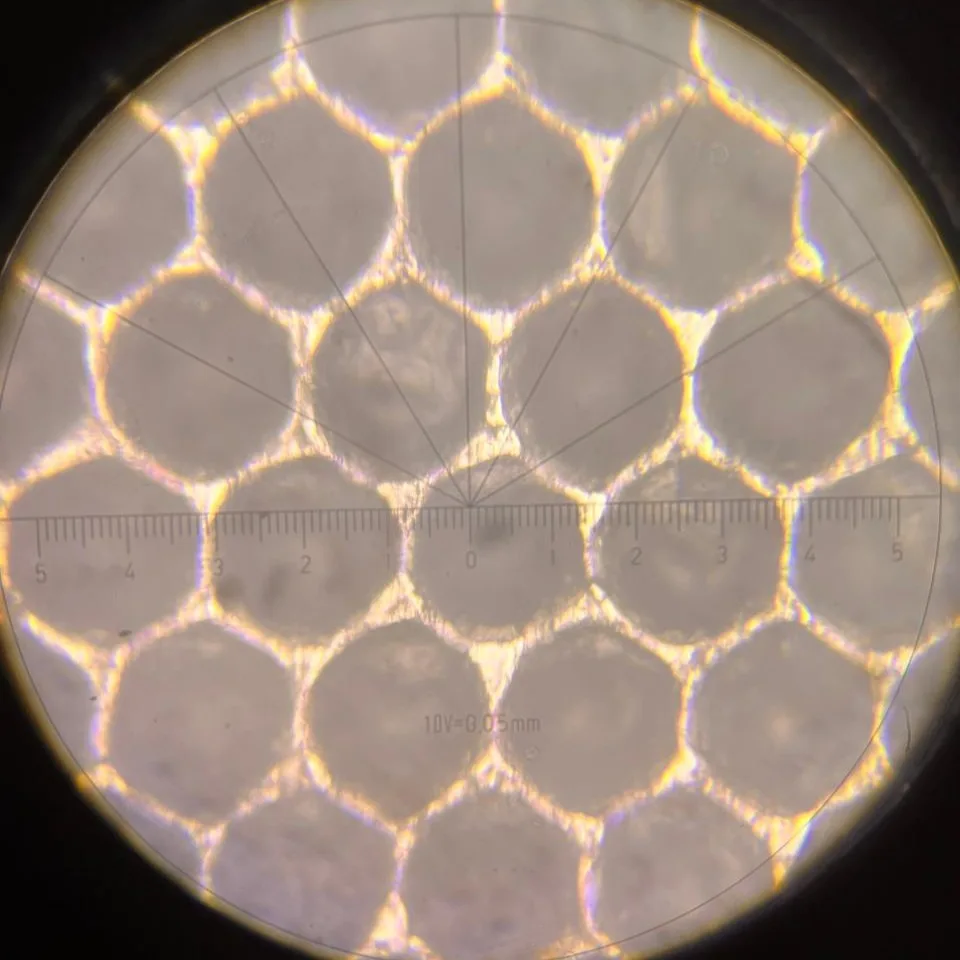
Drag the handle to compare - real microscope photography of anilox cells before and after laser cleaning.
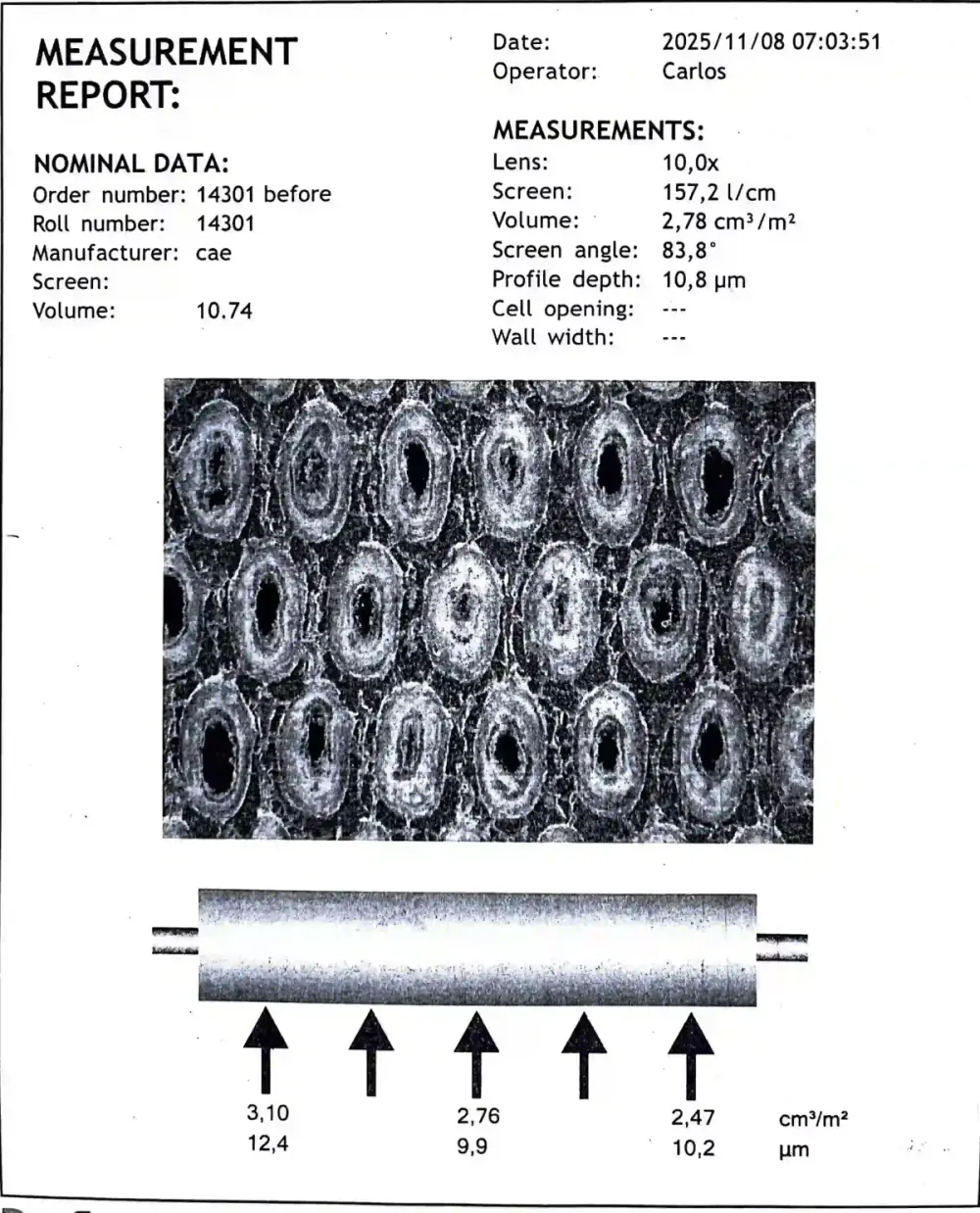
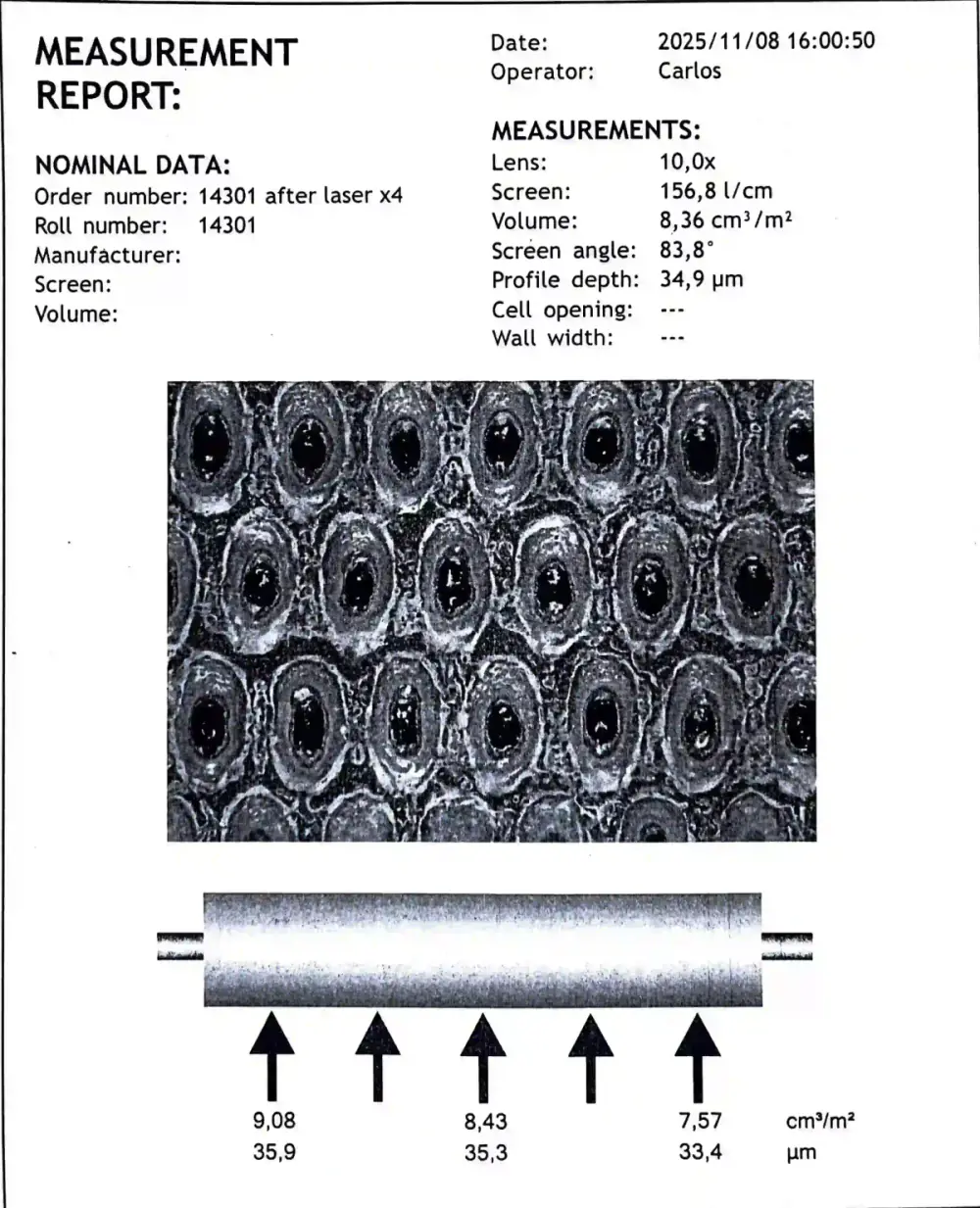
Example Measurement Report
This is a real technical measurement report from an on-site anilox roller laser cleaning job in Cape Town, showing measured cell volume and profile depth before and after cleaning. It illustrates one specific example - actual results depend on the roller's condition, specification and contamination level.
What Anilox Laser Cleaning Can Support
Precision Cleaning
Targets contamination within the cell structure using a controlled, non-contact process.
Improved Ink Transfer
Clean cells can help support more consistent ink transfer during production runs.
Print Consistency
Helps maintain more predictable printing performance across jobs.
Asset Care
Supports the maintenance and service life of anilox rollers as production assets.
Our Cleaning Process
Assessment
We review your roller specifications and production requirements.
Roller Inspection
Rollers are inspected to assess condition and contamination levels, with microscopic inspection where appropriate.
Laser Cleaning
Controlled, non-contact laser cleaning is carried out on site.
Post-Cleaning Inspection
Rollers are inspected again to review the cleaning result.
Service Report
You receive a service report documenting the work carried out.
Built For Flexographic Printing & Packaging
Anilox roller laser cleaning is relevant to a wide range of printing and packaging operations that rely on anilox technology for ink metering.
- Flexographic printing companies
- Flexible packaging manufacturers
- Label printers
- Corrugated packaging manufacturers and carton printers
- Packaging converters running multiple press lines
Anilox Roller Laser Cleaning - Frequently Asked Questions
Anilox roller laser cleaning is a non-contact cleaning process that uses controlled laser energy to remove contamination - such as dried ink and glaze - from the cells and surface of an anilox roller.
A calibrated laser is passed across the roller surface. The laser energy is designed to remove unwanted deposits from the cell structure while aiming to maintain the integrity of the ceramic surface.
Anilox laser cleaning is aimed at contamination such as dried ink residue, glaze and general build-up within the anilox cell structure.
Laser cleaning is designed to target dried ink and residue within anilox cells. The outcome depends on the roller condition, contamination type and how long the contamination has been present.
Yes. Our mobile service is built around performing anilox roller laser cleaning directly at your facility, without requiring rollers to be shipped elsewhere.
This service is designed for flexographic printers, flexible packaging manufacturers, label printers, corrugated packaging manufacturers and other operations using anilox rollers.
Cleaning frequency depends on ink type, run volumes, anilox specification and housekeeping practices. We can assess your rollers and provide guidance specific to your operation.
Request Anilox Roller Laser Cleaning
Tell us about your rollers and production requirements, and we'll get back to you with guidance and a quote.